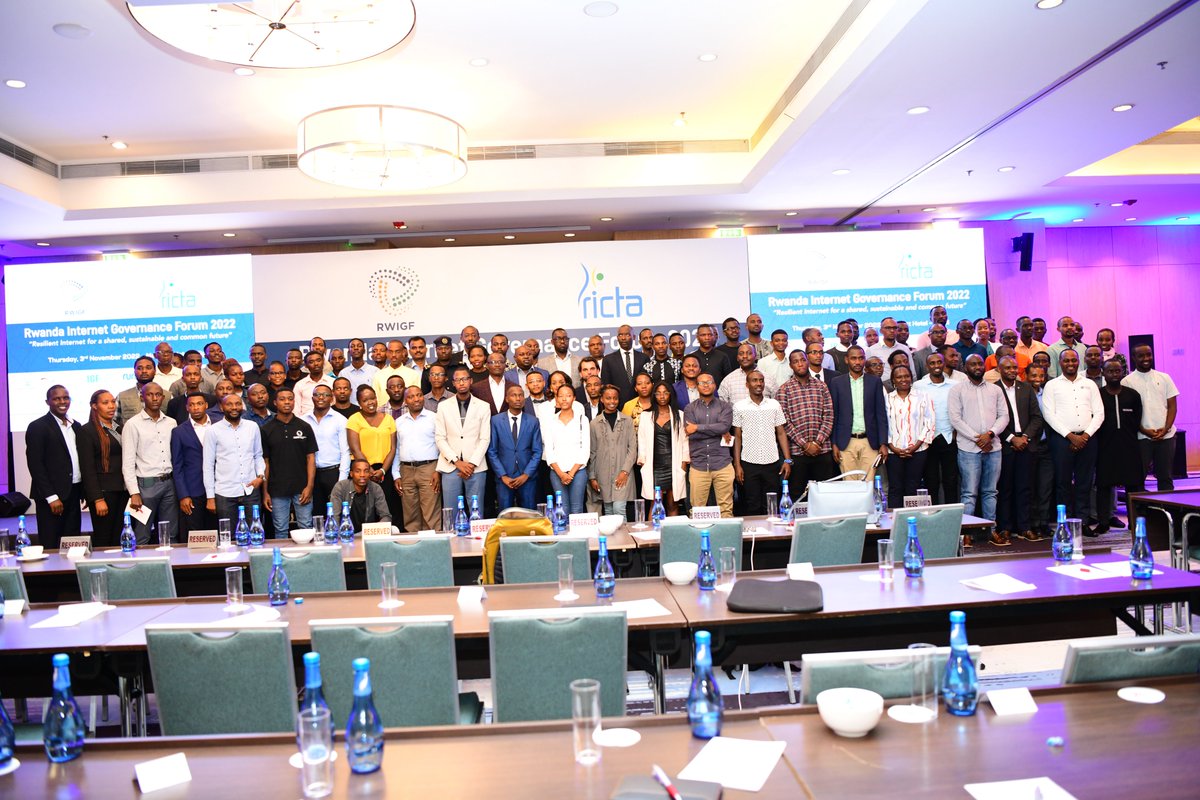
The Rwanda School on Internet Governance (RwSIG) was born from a growing need identified through years of discussions and engagement within the Rwanda Internet Governance Forum (IGF) ecosystem. As the national IGF continued to bring together stakeholders from government, academia, the private sector, civil society, and the technical community, it became increasingly evident that there was a need for a dedicated capacity-building initiative to equip individuals with deeper knowledge and practical skills in Internet governance and digital policy.
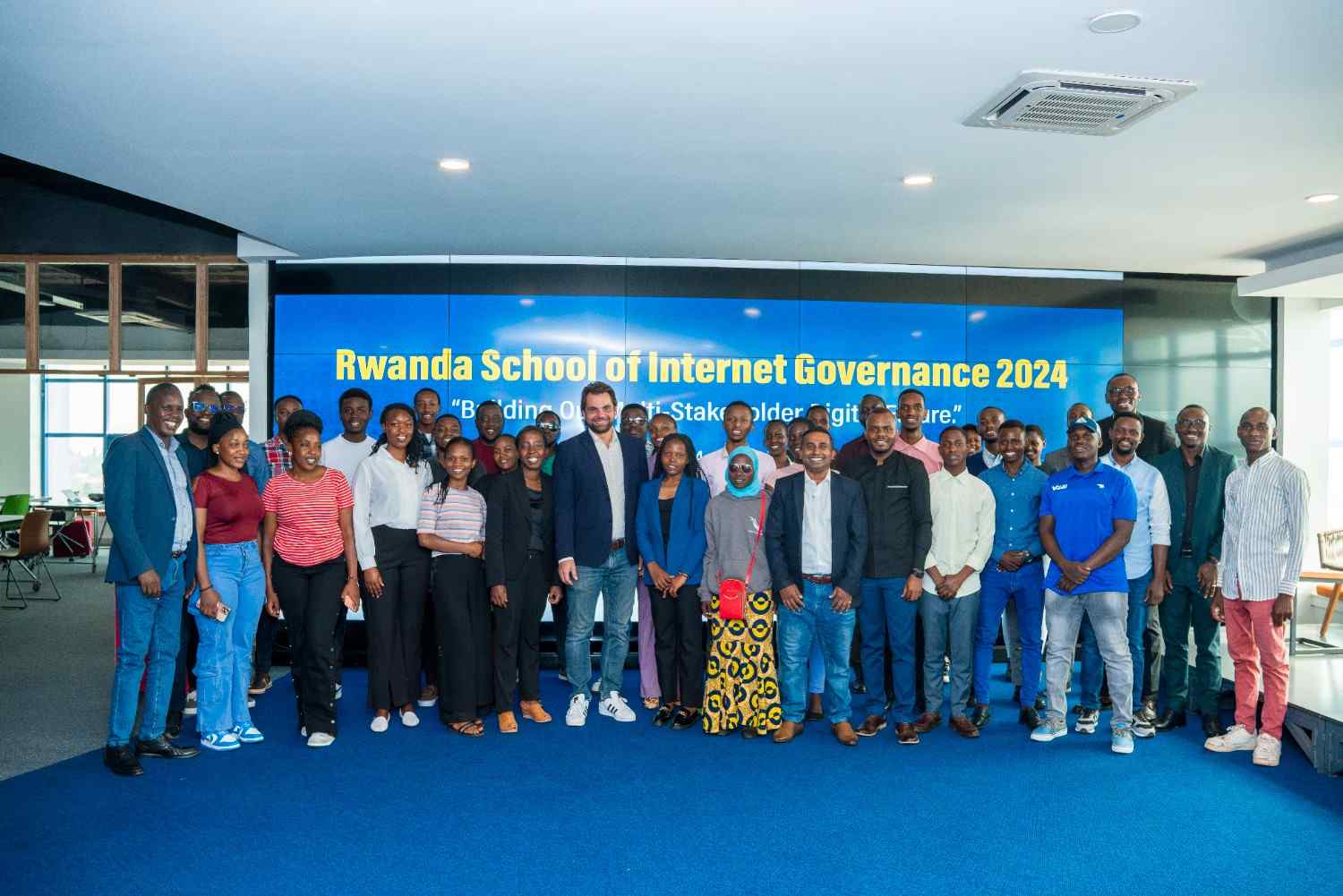
The inaugural cohort brought together 50 fellows from diverse stakeholder groups. This diversity reflected the multistakeholder nature of Internet governance and reinforced the School’s commitment to ensuring that individuals from different backgrounds and communities have opportunities to contribute to shaping the digital future.
What began as a single cohort has grown into a community of learners, practitioners, and emerging Internet governance leaders. Through expert-led sessions, peer learning, and collaborative discussions, participants have developed the knowledge, confidence, and networks needed to engage in Internet governance conversations and contribute to digital policy processes within their communities and beyond.
RwSIG aims to develop a knowledgeable and skilled community capable of actively participating in Internet governance processes at national, regional, and global levels. The School achieves this by strengthening understanding of Internet governance frameworks, building technical and policy capacity in digital governance, promoting informed participation in IGF processes, supporting youth and professionals in digital policy engagement, and fostering a sustainable community of Internet governance practitioners.
A significant milestone was reached in 2026 when RwSIG was formally recognized within the Dynamic Coalition on Schools on Internet Governance (DC-SIG) network. This recognition strengthened its connection to the global community of Internet governance schools and reinforced its contribution to collaborative capacity-building efforts worldwide.
Today, Rwanda School on Internet Governance continues to grow as a platform for learning, collaboration, and leadership development, empowering participants with the knowledge, skills, and networks needed to actively engage in Internet governance. Through its expanding community of fellows and practitioners, the School is strengthening Rwanda’s contribution to Internet governance discussions while promoting inclusive and meaningful participation at national, regional, and global levels.